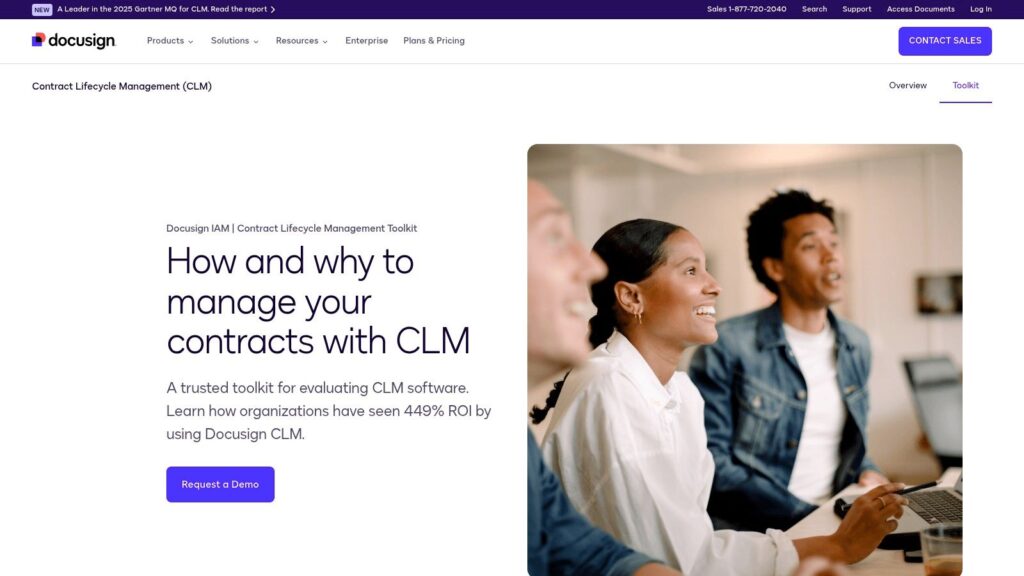
In the intricate tapestry of modern business, contracts aren’t just legal documents; they’re the very arteries through which commerce flows. From sealing a pivotal sales deal to solidifying a crucial vendor partnership, every agreement carries weight, risk, and immense potential. Yet, for too long, managing these vital instruments has been a labyrinthine endeavor, mired in manual processes, scattered files, and a perpetual game of hide-and-seek. Enter Contract Lifecycle Management (CLM) software – the unsung hero quietly revolutionizing how businesses operate.
No longer a mere convenience, sophisticated CLM software has become an indispensable tool, a veritable nerve center for legal, sales, procurement, and finance departments alike. When we talk about top CLM software, we’re not just discussing digital repositories; we’re talking about comprehensive, intelligent platforms designed to streamline every phase of a contract’s existence, from initial inception to eventual expiration and renewal. It’s about mitigating risk, boosting operational efficiency, ensuring compliance, and ultimately, accelerating revenue. This deep dive will explore what truly defines a leading CLM solution, why it’s a non-negotiable asset in today’s fast-paced corporate landscape, and what critical features to seek out.
The Unsung Hero: Why Top CLM Isn’t Just for Lawyers Anymore
For a considerable period, contract management was largely relegated to the legal department, a necessary but often cumbersome chore. However, as businesses grow more complex and interconnected, the ramifications of inefficient contract handling ripple across the entire organization. A top-tier CLM solution transcends departmental silos, transforming contracts from administrative burdens into strategic assets.
Imagine a world where sales teams can generate compliant contracts in minutes, legal teams can focus on high-value tasks instead of chasing signatures, procurement departments can confidently track vendor obligations, and finance can accurately forecast revenue based on rock-solid agreements. This isn’t a pipe dream; it’s the tangible reality offered by advanced CLM platforms. They are the scaffolding upon which effective business relationships are built, ensuring that every “i” is dotted and every “t” is crossed, reducing legal exposure and boosting bottom-line performance.
Beyond the Basics: The Strategic Imperative of CLM
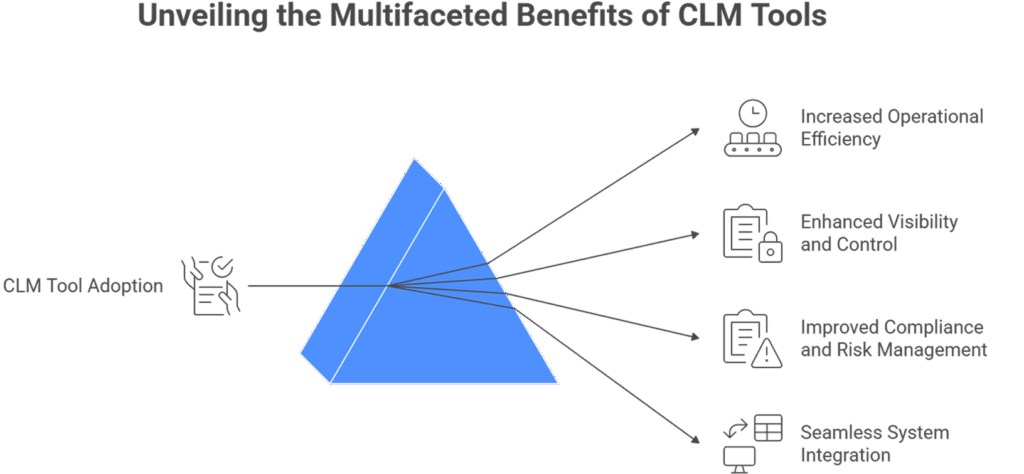
- Risk Mitigation: Unmanaged contracts are a breeding ground for risk. Missed deadlines, forgotten clauses, and non-compliance can lead to hefty penalties, reputational damage, and costly litigation. Leading CLM software provides a robust framework for tracking obligations, identifying potential risks, and ensuring adherence to regulatory requirements.
- Operational Efficiency & Speed: Manual contract processes are notoriously slow, prone to errors, and resource-intensive. Automating tasks like contract generation, negotiation workflows, and approval routing can slash cycle times dramatically, freeing up valuable employee time for more strategic initiatives. This speed can be a real game-changer in competitive markets.
- Enhanced Visibility & Control: Ever spent hours trying to locate a specific contract version or understand its terms? A centralized, searchable repository offered by top CLM solutions brings unparalleled transparency. Everyone with appropriate access can quickly find what they need, fostering better decision-making and reducing friction.
- Cost Savings: While there’s an initial investment, the long-term cost savings are significant. These come from reduced legal fees, optimized vendor relationships, minimized penalties from non-compliance, and improved operational efficiency across the board. It’s truly a case of spending a little to save a lot.
- Improved Collaboration: Contracts often touch multiple departments. A good CLM system facilitates seamless collaboration, allowing stakeholders to review, comment, and approve documents within a unified platform, eliminating endless email chains and version control nightmares.
Key Features to Look for in Top CLM Software
Not all CLM software is created equal. When evaluating the crème de la crème, it’s essential to look beyond surface-level functionalities and delve into the capabilities that genuinely differentiate a top-tier solution. These features span the entire contract lifecycle, offering robust support at every stage.
Pre-Contract Phase: Laying the Groundwork
- Contract Request & Intake: A streamlined process for users to request new contracts, complete with intelligent forms and guided questionnaires that gather all necessary information upfront. This cuts down on back-and-forth communication and ensures consistency.
- Automated Authoring & Template Management: The ability to generate new contracts rapidly from approved templates, pre-populated with relevant data and standard clauses. This ensures compliance, reduces human error, and dramatically speeds up contract creation.
- Clause Library: A centralized, searchable repository of pre-approved legal clauses and fallback positions. This empowers business users to draft contracts with confidence, knowing they are using legally sound and compliant language, and provides legal teams with a single source of truth.
Contract Creation & Negotiation Phase: Getting the Deal Done
- Version Control & Redlining: Critical for collaborative negotiation. Top CLM software offers robust version tracking, clear redlining capabilities, and the ability to compare changes between versions, ensuring everyone is working from the latest document and understanding modifications.
- Workflow Automation & Approval Routing: Configurable workflows that automatically route contracts to the right stakeholders for review and approval based on predefined rules (e.g., contract value, type, department). This eliminates bottlenecks and ensures proper governance.
- Secure Document Collaboration: Features that allow internal and external parties to collaborate on contracts securely within the platform, reducing the need for emailing sensitive documents back and forth.
- Electronic Signatures (e-Signatures): Seamless integration with leading e-signature providers (or native e-signature capabilities) for fast, legally binding, and secure contract execution. This is a crucial accelerator in the modern digital age.
Post-Contract Phase: Managing & Maximizing Value
- Centralized Contract Repository & Search: A secure, cloud-based hub for all contracts, accessible anytime, anywhere. Advanced search capabilities (full-text search, metadata filtering) are paramount for quickly locating specific agreements or clauses. Think Google for your contracts!
- Obligation Management & Alerts: Tracking key dates, milestones, deliverables, and obligations outlined in contracts. Automated alerts and reminders ensure that no critical deadlines are missed, be it renewals, terminations, or service level agreements (SLAs).
- Performance & Compliance Monitoring: Tools to monitor contract performance against key metrics and ensure ongoing compliance with regulatory requirements and internal policies. This proactive approach helps prevent problems before they escalate.
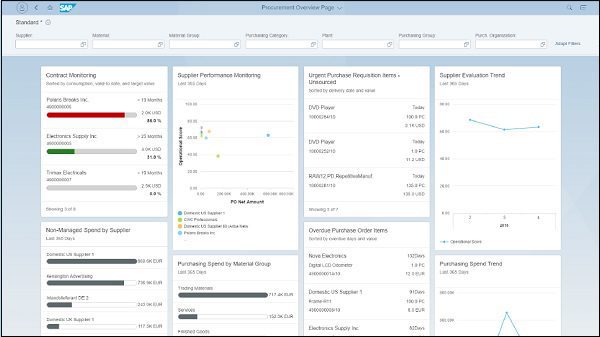
- Reporting & Analytics: Robust dashboards and reporting features that provide actionable insights into contract performance, cycle times, risk exposure, and other critical metrics. This data is invaluable for strategic decision-making and identifying areas for improvement.
- Contract Amendments & Renewals: Streamlined processes for managing contract amendments, renewals, and terminations, ensuring that all changes are properly documented and executed.
Cross-Cutting & Advanced Features: The Next Frontier
- Integration Capabilities: A top CLM solution doesn’t exist in a vacuum. Seamless integration with other enterprise systems like CRM (Salesforce, HubSpot), ERP (SAP, Oracle), HCM (Workday), and even procure-to-pay systems is crucial for a unified data flow and a holistic business view. This is where a CLM system truly earns its stripes as a central nervous system.
- Security & Compliance: Robust security measures, including data encryption, access controls, audit trails, and compliance with industry standards (e.g., GDPR, HIPAA, SOC 2), are non-negotiable for protecting sensitive contract data.
- Scalability: The ability of the software to grow with your business, handling an increasing volume of contracts and users without performance degradation.
- User Experience (UX): An intuitive, user-friendly interface is vital for adoption. If the software is cumbersome to use, even the best features won’t be fully utilized.
- AI & Machine Learning (ML): Increasingly, leading CLM platforms leverage AI for advanced capabilities such as:
- Intelligent Contract Extraction: Automatically identifying and extracting key terms, clauses, and data points from new and legacy contracts.
- Risk Scoring: Analyzing contract language to identify potential risks and non-standard clauses.
- Contract Search Enhancement: Providing more intelligent and contextual search results.
- Predictive Analytics: Forecasting renewal likelihood or identifying potential bottlenecks.
Evaluating the “Top” Contenders: A Strategic Approach
When considering the top CLM software, it’s less about a definitive, static list and more about identifying platforms that consistently excel across the aforementioned features, deliver tangible business value, and adapt to evolving market needs. These leading solutions often fall into a few general categories, each with distinct strengths:
1. The Enterprise-Grade Powerhouses: Built for Scale and Complexity
These CLM solutions are designed for large organizations with complex legal structures, high contract volumes, and intricate compliance requirements. They offer deep customization, extensive integration capabilities, and robust security. They are often backed by substantial resources for ongoing development and support, making them a safe bet for global corporations. While the investment might be higher, the comprehensive functionality and peace of mind they offer are often worth every penny for businesses operating on a grand scale. Think of these as the heavy lifters of the CLM world, capable of handling almost any contractual scenario you can throw at them.
2. The AI-First Innovators: Pushing the Boundaries of Automation
A new breed of CLM software is emerging, placing Artificial Intelligence and Machine Learning at the core of its offerings. These platforms excel at intelligent data extraction, risk analysis, clause suggestions, and even predictive insights. For organizations keen on truly automating and intellectualizing their contract processes, these innovators offer a glimpse into the future. They can drastically reduce manual review time, uncover hidden risks, and help optimize negotiation strategies through data-driven insights. If you’re looking to transform your legal operations with cutting-edge technology, these are the ones to watch.
3. The Specialized & Industry-Specific Solutions: Tailored for Niche Needs
Some top CLM providers have carved out niches, offering solutions specifically tailored to particular industries (e.g., healthcare, finance, life sciences) or contract types (e.g., procurement, sales). These platforms often come with pre-built templates, compliance frameworks, and integrations relevant to their specific sector, significantly reducing implementation time and ensuring industry-specific adherence. For businesses operating in highly regulated environments, a specialized solution can be an absolute godsend, speaking directly to their unique challenges.
4. The User Experience Champions: Prioritizing Adoption and Simplicity
While often robust in features, some top CLM solutions shine particularly bright in their commitment to user experience. They boast intuitive interfaces, drag-and-drop functionality, and seamless navigation, making it incredibly easy for non-legal professionals to engage with contract processes. High user adoption is critical for the success of any software implementation, and these platforms understand that. They prove that powerful doesn’t have to mean complicated, and for many businesses, ease of use is a deal-breaker.
Choosing Your Champion: A Strategic Guide to Selecting the Right CLM
Selecting the best CLM software for your organization is a significant decision, akin to choosing the right co-pilot for a complex mission. It requires careful consideration beyond just a feature checklist. Here’s a roadmap to navigate the selection process:
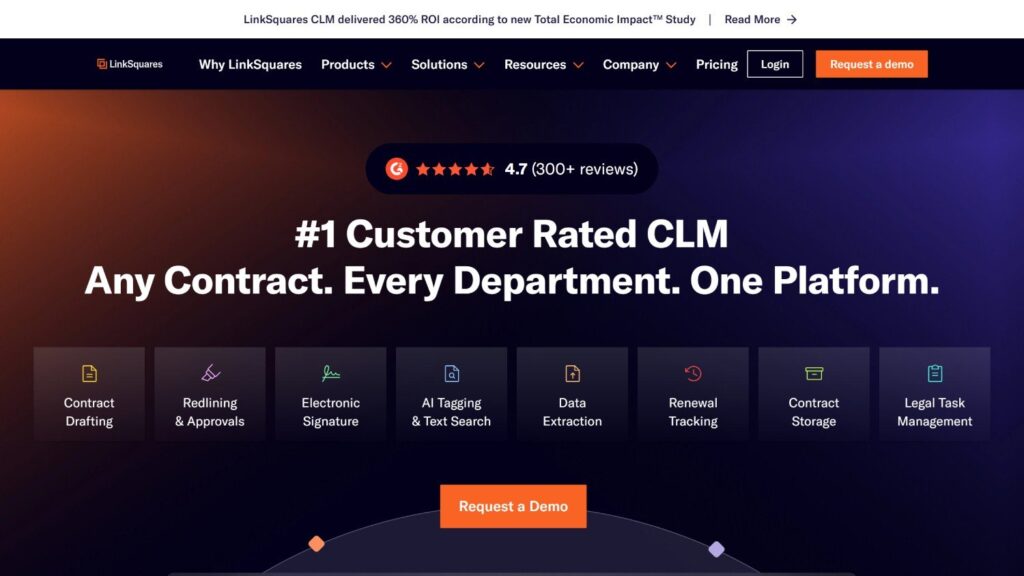
1. Assess Your Unique Needs and Current Pain Points
Before even looking at vendors, take an honest look in the mirror. What are your biggest contract-related headaches? Are you struggling with slow approvals, missed renewals, lack of visibility, or compliance issues? Document your current processes, identify bottlenecks, and define your desired future state. Consider:

- Volume and Complexity: How many contracts do you manage annually? Are they simple NDAs or multi-party, complex agreements?
- Industry & Regulatory Requirements: Do you operate in a highly regulated sector that requires specific compliance features?
- Key Stakeholders: Who will be using the system (legal, sales, procurement, finance)? What are their specific requirements?
- Integration Needs: Which existing systems absolutely need to ‘talk’ to your CLM?
2. Define Your Budget and Anticipate ROI
CLM software is an investment. Understand not only the upfront costs (licensing, implementation) but also ongoing maintenance, support, and potential customization fees. Crucially, project the return on investment (ROI). How will the chosen CLM save money (reduced legal fees, fewer penalties, optimized vendor terms) and generate value (faster sales cycles, improved compliance)? Quantifying these benefits will make a compelling business case.
3. Prioritize Implementation and User Adoption
Even the most feature-rich CLM is useless if nobody uses it. Inquire about the vendor’s implementation process, typical timelines, and training programs. A phased approach can often be less disruptive. Consider pilot programs and champion users to foster adoption. A smooth transition is paramount for success.
4. Evaluate Vendor Support and Future-Proofing
A long-term partnership with your CLM provider is crucial. Assess their customer support (response times, available channels, knowledge base), their commitment to ongoing innovation, and their roadmap for future features. A vendor that listens to customer feedback and consistently updates its platform is a strong indicator of a future-proof solution.
Implementation Best Practices: Making Your CLM Transition Smooth
Bringing a new CLM system into play isn’t just about flipping a switch; it’s a strategic undertaking. Here are some golden rules to ensure a successful deployment:
- Executive Sponsorship: Secure buy-in from the top. Their support can grease the wheels for resources and ensure cross-departmental cooperation.
- Dedicated Project Team: Assemble a diverse team with representatives from legal, IT, sales, and procurement. This ensures all perspectives are considered and fosters ownership.
- Phased Rollout: Don’t try to do everything at once. Start with a pilot group or a specific contract type to iron out kinks before a broader rollout.
- Data Migration Strategy: Plan how you’ll migrate existing contracts. This can be a monumental task, and the right approach (e.g., phased, leveraging AI for extraction) is critical.
- Thorough Training: Invest in comprehensive training for all users. A well-trained team is an empowered team, and it’s the fastest route to high adoption.
- Clear Communication: Keep all stakeholders informed throughout the process. Transparency helps manage expectations and reduces resistance to change.
- Continuous Optimization: CLM isn’t a set-it-and-forget-it solution. Regularly review your workflows, gather user feedback, and make adjustments to optimize performance.
The Future of Contract Management: AI, Blockchain, and Beyond
The CLM landscape is far from static; it’s a vibrant arena of innovation. Looking ahead, we can expect even more sophisticated applications of artificial intelligence and machine learning, moving beyond mere extraction to truly intelligent contract analysis, automated risk assessment, and even proactive negotiation support. Imagine a system that not only flags non-standard clauses but also suggests optimal fallback language based on your organization’s historical data and risk tolerance. That’s the horizon we’re heading towards.
Furthermore, the integration of blockchain technology holds fascinating potential for immutable contract records, enhanced security, and verifiable audit trails, particularly for smart contracts. As businesses continue their digital transformation journey, CLM software will evolve to become an even more central nervous system, connecting disparate legal and business functions into a cohesive, intelligent whole. The drive towards greater automation, deeper insights, and seamless connectivity will only accelerate, making the choice of a top CLM solution today an investment in tomorrow’s competitive edge.
Final Thoughts: Seizing the Opportunity with Top CLM Software
In a world where every transaction is underpinned by an agreement, the ability to manage contracts efficiently, securely, and strategically is no longer a luxury—it’s a fundamental requirement for business success. The top CLM software solutions on the market today offer more than just a place to store documents; they provide a strategic advantage, transforming a traditionally administrative function into a powerful engine for growth, compliance, and risk mitigation.
By investing in a robust CLM platform, organizations can cut through the red tape, empower their teams, safeguard their interests, and ultimately, build stronger, more resilient businesses. The journey to finding your ideal CLM champion may seem daunting, but armed with the right knowledge and a clear understanding of your needs, you can unlock a world of efficiency and strategic foresight. Don’t let your contracts be an Achilles’ heel; let them be a cornerstone of your success. The time to embrace the future of contract management is now.